
Follow us on social!

-
Give us a Call: 559-826-9545
Follow us on social!
-
Give us a Call: 559-826-9545
SERVICE
Retaining Wall Construction in Fresno & Clovis, CA
Durable, engineered retaining walls built for Central Valley yards — Longhorn Landscapes serves Fresno, Clovis, Madera, and Santa Clara County.
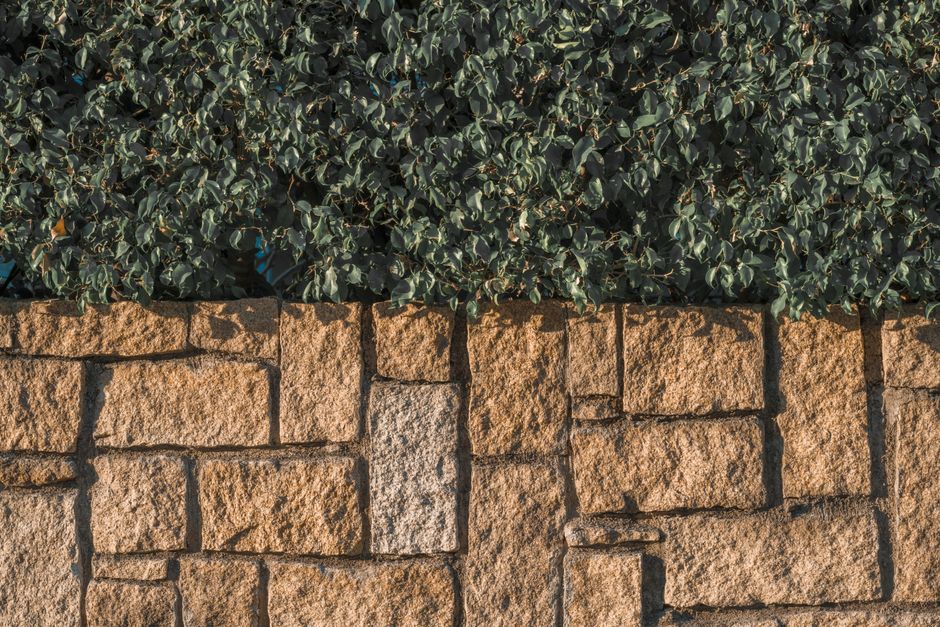
If your yard slopes, your soil is sliding after a wet winter, or you’re trying to carve usable space out of a hillside lot, a properly built retaining wall solves the problem for decades. Longhorn Landscapes designs and builds retaining walls across Fresno, Clovis, Madera County, and Santa Clara County — engineered for Central Valley soils, hot dry summers, and the occasional heavy rain event. We build walls that hold, drain correctly, and look like part of your home instead of an afterthought bolted onto the yard.
What retaining wall construction involves
A retaining wall isn’t just stacked block — it’s a structural system holding back soil, water, and gravity. The job starts with reading the site: slope grade, soil type (much of Fresno and Clovis sits on sandy loam or heavier clay pockets), drainage patterns, and how tall the wall needs to be. Walls under about three feet are typically gravity walls. Anything taller usually requires geogrid reinforcement, deeper footings, or engineered plans stamped by a structural engineer to meet local code.
From there we excavate, compact a base of crushed rock, and install the first course dead level — the most important course in the whole wall. We build up in courses with proper setback, install perforated drain pipe and gravel backfill so hydrostatic pressure never builds behind the wall, and finish with cap units bonded in place. Material options include segmental block (Belgard, Basalite, Angelus), poured concrete, natural stone veneer, and board-formed concrete for modern homes. Each has its place depending on your budget, style, and wall height.
Why Longhorn Landscapes for retaining walls
- Local crews who understand Central Valley soil behavior — clay pockets that swell, sandy soils that erode, and how both react during winter rain.
- Proper drainage built into every wall: perforated drain pipe, gravel chimney, and outlet daylighted where it belongs — not left to fail in year three.
- Structural engineering coordination for walls over 3 feet or walls with surcharge loads (driveways, pools, structures above).
- Segmental block, poured concrete, and natural stone options — we’re not locked into one manufacturer, so we spec what fits your yard and budget.
- Full-service landscaping company, so your wall integrates with grading, irrigation, planting, and lighting instead of being a standalone project that clashes with everything around it.
- Straight answers on pricing, timeline, and what your permit situation looks like before we start digging.
Our retaining wall process
- On-site consultation. We walk the property, measure the slope, look at drainage and existing hardscape, and talk through what you’re trying to accomplish — usable flat space, erosion control, tiered planting beds, or all three.
- Design and material selection. We put together a plan showing wall location, height, and material options with samples you can see in your hand.
- Written quote and engineering (if needed). You get a line-item quote. For walls over 3 feet or walls carrying a load, we coordinate stamped engineering and pull the permit through Fresno or Clovis building departments.
- Site prep and excavation. We mark utilities (USA 811), excavate the footing trench, and haul off spoils.
- Base and drainage. Compacted crushed rock base, level first course, perforated drain line, and gravel backfill as courses go up.
- Wall build and cap. Courses set with proper setback and geogrid where specified, caps bonded, and the area behind the wall backfilled and compacted in lifts.
- Cleanup and walkthrough. We haul everything off, clean the site, and walk the finished wall with you before final payment.
What retaining wall construction typically costs
Retaining wall pricing is driven by a handful of real factors: wall height, total linear feet, material choice, site access, and whether engineering and permits are required. A short garden-height segmental block wall in an accessible backyard is one of our more affordable hardscape projects. A tall reinforced wall holding back a hillside — with geogrid, engineered drainage, and equipment access challenges — is a significantly bigger investment. Natural stone and board-formed concrete cost more than standard block, and walls with returns, corners, stairs, or built-in seating add labor.
What’s included in our quotes: excavation, base material, drainage, wall units, caps, backfill, and cleanup. What’s typically separate: engineering fees, permit fees, and any landscaping or irrigation repair beyond the immediate work zone. Estimates are free — call for a walkthrough and we’ll give you a realistic number based on your actual site.
Service areas we cover
- Fresno
- Clovis
- Madera
- Sanger
- Kingsburg
- Selma
- Kerman
- San Jose
- Gilroy
- Morgan Hill
FAQ
Do I need a permit for a retaining wall in Fresno or Clovis?
Walls under 3 feet in height (measured from the bottom of the footing to the top of the wall) generally don’t require a permit if they aren’t supporting a surcharge like a driveway or structure. Anything taller, or any wall with a load above it, needs a permit and typically stamped engineering. We handle that process for you.
How long does a retaining wall last?
A properly built segmental block or poured concrete wall with correct drainage should last 40+ years. The failures we get called out to repair are almost always drainage failures — walls built without a drain pipe or with dirt backfill instead of gravel.
Can you build a wall on a steep hillside lot?
Yes. Steep sites often call for tiered walls (two or three shorter walls stepped up the slope) rather than one tall wall — it’s often cheaper, safer, and looks better. We’ll show you the options.
What material holds up best in the Central Valley?
Segmental concrete block and poured concrete both handle our hot, dry summers and wet winters without issue. Natural stone is beautiful but costs more. We generally steer people away from timber walls — they rot and lean within 10–15 years in this climate.
Can you combine a retaining wall with other landscaping?
That’s how most of our projects go. Walls tie into paver patios, artificial turf areas, planting beds, landscape lighting, and irrigation upgrades. Doing it all together saves money and looks intentional.
How long does construction take?
Most residential walls take 3–7 working days on site after we mobilize. Larger engineered projects run 2–3 weeks. We give you a real schedule before we start.
Ready to fix that slope, reclaim your yard, or finally get the tiered backyard you’ve been picturing? Call Longhorn Landscapes at (559) 826-9545 for a free on-site consultation and quote. We’ll walk your property, talk through your options, and give you straight numbers — no pressure, no fluff.
Featured image: Photo by quang vinh on Pexels.