
Follow us on social!

-
Give us a Call: 559-826-9545
Follow us on social!
-
Give us a Call: 559-826-9545
SERVICE
Paver Patios in Madera, CA
Custom paver patio design and installation in Madera, CA built to handle Central Valley heat and last for decades.
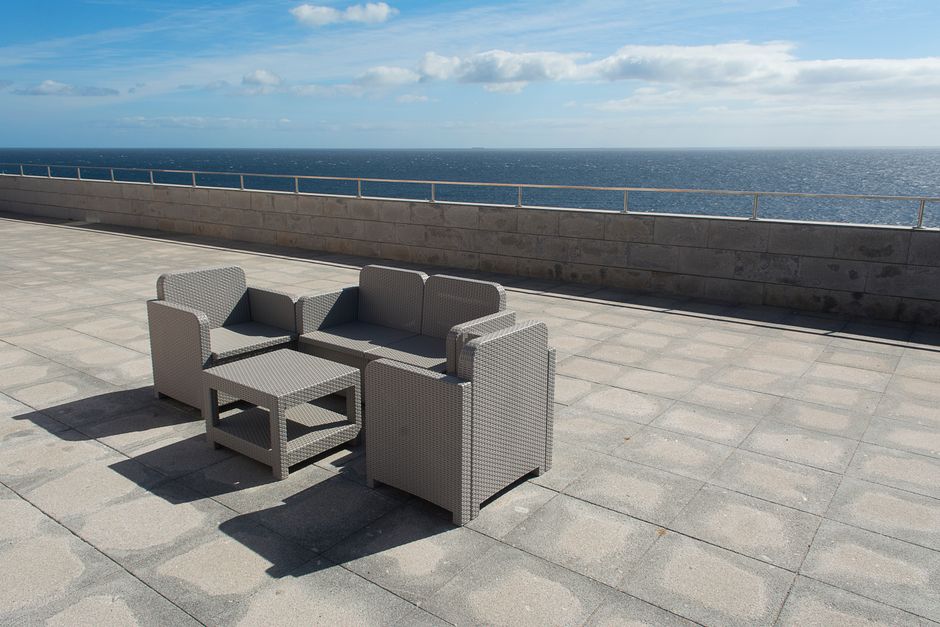
Paver Patios in Madera, CA
If your backyard in Madera is a sun-baked patch of dirt, cracked concrete, or weedy gravel, you’re missing out on the best part of Central Valley living: the long, mild evenings outside. A paver patio fixes that. Longhorn Landscapes designs and installs custom paver patios across Madera, Fresno, and Clovis using interlocking concrete and natural stone pavers built to handle our hot, dry summers and shifting valley soils. Local crews, honest quotes, and a finished space you’ll actually use.
What paver patio installation involves
A paver patio is not just stones dropped on the ground. Done right, it’s an engineered surface that stays flat and tight for decades. We start with excavation — usually 7 to 9 inches deep depending on the soil and whether the patio will see foot traffic only or also support an outdoor kitchen, pergola footings, or a fire pit.
Next comes a compacted Class II road base, typically 4 to 6 inches, installed in lifts and tamped with a plate compactor so it doesn’t settle. On top of that, we screed a 1-inch bedding sand layer, then lay the pavers in your chosen pattern: running bond, herringbone, basket weave, or a custom layout with banding and borders. Edges get locked in with concrete or polymer edge restraint so the field doesn’t spread over time. Finally, we sweep polymeric sand into the joints, which hardens to resist weeds, ants, and erosion from sprinklers.
We work with Belgard, Calstone, Angelus, and other California-made pavers, plus natural flagstone and travertine when the design calls for it.
Why Longhorn Landscapes for paver patios
- Locally owned and operating across Fresno, Clovis, Madera County, and Santa Clara County — we know San Joaquin Valley soils and how they move
- Compacted base built to ICPI (Interlocking Concrete Pavement Institute) guidelines so your patio doesn’t sink or wave
- Polymeric joint sand standard on every install — not loose sand that washes out the first time you water
- We coordinate paver work with irrigation, drainage, lighting, and pergola builds in-house, so you’re not juggling four contractors
Our paver patio process
- Free on-site consultation. We walk the yard with you, measure, talk about how you want to use the space, and look at sun exposure, drainage, and access.
- Design and paver selection. We bring samples to your home so you can see Belgard, Calstone, and Angelus options against your house color in actual Madera sunlight.
- Written estimate. Itemized — base, pavers, edge restraint, joint sand, labor — so you know exactly what you’re paying for.
- Excavation and base prep. We dig, haul off spoils, lay geotextile fabric where soils call for it, and compact the base in lifts.
- Paver installation. Bedding sand, paver layout, cuts around curves and obstacles, edge restraint.
- Joint sand and final compaction. Polymeric sand swept in, activated with a light water mist, and final plate compaction over a protective pad.
- Walkthrough and cleanup. We hose down the patio, haul every scrap off-site, and walk it with you before we collect final payment.
What paver patios typically cost
Paver patios in Madera are priced by the square foot, but the real cost drivers are the prep work and the materials you choose. Estimates range based on patio size, paver type (standard concrete pavers are the most affordable; tumbled, large-format, and natural stone cost more), how much excavation and haul-off is involved, whether we need to demo old concrete first, and add-ons like seat walls, fire pits, lighting, or drainage.
What’s included in every Longhorn estimate: excavation, base material and compaction, bedding sand, pavers, cuts, edge restraint, polymeric joint sand, and full cleanup. What’s typically separate: pergolas, outdoor kitchens, gas lines for fire features, electrical for lighting, and any major grading or retaining walls. We’ll give you a clear written quote — call us for a free on-site estimate.
Service areas we cover
- Madera
- Fresno
- Clovis
- Chowchilla
- Oakhurst
- Sanger
- Kerman
- Kingsburg
- Selma
- Santa Clara County communities
FAQ
How long does a paver patio installation take in Madera?
Most residential patios take 3 to 7 working days from excavation to final cleanup, depending on size, access, and whether we’re tying in lighting, drainage, or a fire pit.
Will pavers crack like concrete in Central Valley heat?
Individual pavers can chip but rarely crack the way a poured concrete slab does. Because pavers are small interlocking units, they flex with ground movement instead of breaking. If one ever gets damaged, we can lift and replace that single paver.
Do weeds grow up between the pavers?
Not if it’s installed correctly. We use polymeric jointing sand that hardens after activation, sealing the joints against weeds, ants, and sprinkler wash-out. You may see occasional growth on the surface from windblown seeds, which is easy to pull or spray.
Can you install a paver patio over my existing concrete slab?
Sometimes, yes — if the slab is sound and drainage works. More often we recommend removing the old slab so we can build a proper base. We’ll tell you straight which option makes sense for your yard.
How do paver patios compare to stamped or poured concrete?
Pavers cost a bit more up front but don’t crack across the surface, are easier to repair, and offer more design flexibility. Concrete is faster and cheaper but harder to fix when it fails.
Do I need a permit for a paver patio in Madera?
A standard ground-level patio usually doesn’t require a permit, but attached structures, retaining walls over a certain height, and gas or electrical work often do. We handle permit questions during the estimate.
Ready to turn that backyard into the space it should be? Call Longhorn Landscapes at (559) 826-9545 for a free on-site paver patio estimate in Madera, Fresno, Clovis, or anywhere in the surrounding area. No pressure, no fluff — just a straight quote from a local crew that does the work right.